The rising cost of housing worsens North Carolina’s affordability crisis
Affordability is a key issue in the Senate election between Democrat Roy Cooper and Republican Michael Whatley.
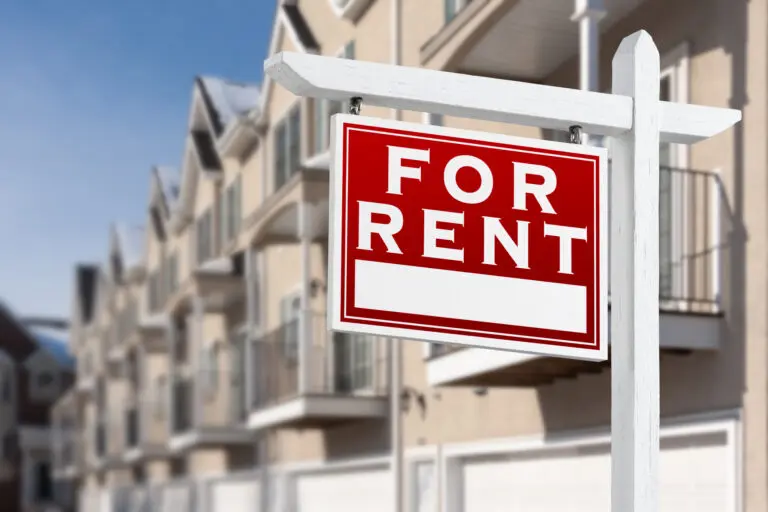
In the United States, the rule of thumb has long been that a household should spend no more than 30% of its income on rent. Those guidelines can no longer be followed in many places, including in North Carolina, where, according to figures compiled by the state government, about half of renters spend more than 30% of their incomes to keep a roof over their heads.
It’s a problem related largely to the state’s historically low wages, according to the latest edition of an annual report published by the National Low Income Housing Coalition.
In North Carolina, the 2026 edition of “Out of Reach” notes, the minimum wage is $7.25, but an individual working full time would have to earn at least $27.11 an hour, or $56,385 annually, to afford a modest two-bedroom rental at the average fair market rate of $1,410 per month.
That’s the challenge faced by 39-year-old Star Connor, who currently lives near Charlotte, as she tries to find a place she can afford. Connor, who is single and established in her career as a marketing director, told the North Carolina Independent that she pays nearly $2,100 for her two-bedroom apartment, which she says is about half of her monthly income.
“Me being a single woman, almost 40, I thought I would own a house by now, but the cost of living, you know, with housing and apartments are about the same now,” Connor said. “I feel like I’m paying two mortgages right now because the cost of living is so high.”
Connor said she requested a raise shortly after starting a new job because of rising living expenses. She has lived in her apartment for nearly a year and believes finding less expensive housing would require compromising on space or safety.
The difficulty she’s having finding affordable housing is typical across North Carolina,and explains why the issue is likely to play a role in the Nov. 3 Senate election between Democratic former Gov. Roy Cooper and Republican Michael Whatley.
Cooper has made lowering the cost of housing central to his campaign. His proposals include creating incentives to build more homes, putting restrictions on large corporate purchases of single-family properties and a ban on algorithm-driven rent-setting practices. He also supports eliminating certain construction regulations and tariffs on building materials.
Whatley’s campaign site doesn’t address housing affordability, nor does it list strategies to address cost of living directly. His campaign did not immediately respond to the North Carolina Independent’s request for comment for this article.
One reason housing is so expensive is that it is in such short supply. North Carolina faces a projected housing shortage of more than 750,000 homes through 2029. State officials have begun to address the housing affordability problem: In May, Democratic Gov. Josh Stein signed Executive Order 36, directing state agencies to coordinate efforts to expand housing supply and affordability.
Stein also signed legislation this summer aimed at reducing development barriers, including allowing additional housing units on residential properties and removing certain minimum parking requirements. Nationally, the cost burden is particularly acute for renters with the lowest incomes. The National Low Income Housing Coalition’s 2026 Gap report found that 87% of extremely low-income renter households spent more than 30% of their incomes on housing, while 74% spent more than half.
That leaves less money for essentials such as food, transportation, healthcare and utilities. Connor said those kinds of financial trade-offs are part of her everyday life. The rising cost of groceries is another huge concern.
“I just went to the grocery store today, and the cost of produce or, like, strawberries or blueberries was $10 — just for blueberries and strawberries,” Connor said. “That’s kind of crazy when you look at things you want to eat, and then to live or eat healthier is expensive.”
Connor said she also has struggled with medical bills and student loan payments, which is typical of many people facing competing financial obligations that can complicate their search for housing. She says lawmakers should consider broader financial assistance for working people, including lowering the price of groceries and measures to limit recurring rent increases. The affordability crisis, she said, goes beyond rent alone.
“I just hope it gets better instead of worse. But the only way it can get better is if the lawmakers see what we see and feel the pressure that we’re feeling,” she said. “Because if we’re not making the certain amount of salaries to keep a roof over our head, what are we going to do?”